
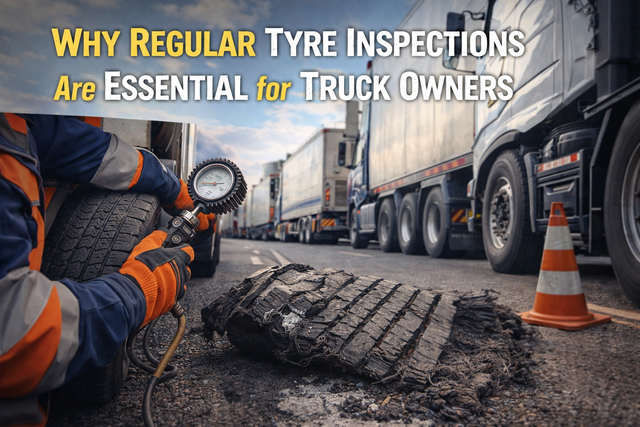
Why Regular Tyre Inspections Are Essential for Truck Owners
For truck owners, maintaining their fleet is not just about keeping engines running smoothly or ensuring compliance with regulations—it’s also about safety, efficiency, and cost management. One often overlooked but absolutely critical aspect of vehicle maintenance is tyre care. Regular tyre inspections are essential for truck owners, and failing to prioritize them can lead to accidents, unexpected downtime, and increased operational costs. In this article, we will explore why tyre inspections matter, the risks of neglecting them, and best practices for keeping truck tyres in optimal condition.
The Importance of Tyre Safety
Tyres are the only point of contact between a truck and the road. They bear the full weight of the vehicle, including cargo, and absorb the stresses of acceleration, braking, and turning. Over time, tyres naturally wear down, lose pressure, and develop structural weaknesses. A tyre failure, such as a blowout, can be catastrophic, especially for large trucks traveling at high speeds on highways.
According to the National Highway Traffic Safety Administration (NHTSA), tyre-related crashes contribute to thousands of accidents each year. While truck drivers often focus on brakes and engines, tyres deserve equal attention because even a small defect can escalate into a major safety hazard. Regular inspections help detect early signs of wear, preventing accidents and protecting both drivers and other road users.
Preventing Accidents Through Early Detection
One of the most compelling reasons for regular tyre inspections is accident prevention. Common tyre issues that inspections can catch include:
- Tread wear: Uneven or excessive tread wear can reduce traction, especially in wet or icy conditions. Tread depth should be checked frequently, and tyres replaced before reaching critical wear levels.
- Cracks and cuts: Tyres exposed to rough roads or debris can develop cracks or cuts in the sidewalls, which weaken the tyre structure and increase the risk of blowouts.
- Bulges and blisters: These indicate internal damage, often caused by impact with curbs or potholes. They can lead to sudden tyre failure if not addressed.
- Foreign objects: Nails, screws, or glass can puncture tyres, causing slow leaks or sudden deflation. Identifying and removing these hazards early can prevent dangerous situations.
Additionally, sourcing high-quality wholesale truck tyres ensures that the tyres themselves are more durable and reliable, reducing the likelihood of unexpected failures on the road.
By identifying these problems before they become serious, truck owners can significantly reduce the risk of accidents, protecting drivers, cargo, and the general public.
Improving Fuel Efficiency
Tyre maintenance isn’t only about safety—it also affects operational costs. Improperly inflated tyres can reduce fuel efficiency by increasing rolling resistance. A tyre that is underinflated by just 10 psi can decrease fuel economy by up to 2%. For fleet owners managing dozens of trucks, this adds up to thousands of dollars in wasted fuel each year.
Regular inspections allow truck owners to monitor tyre pressure consistently, ensuring tyres are inflated to the manufacturer’s recommended levels. Additionally, inspections can identify tyres that are worn unevenly or misaligned, both of which contribute to increased fuel consumption. Maintaining properly inflated and balanced tyres not only saves money but also reduces carbon emissions, supporting environmentally responsible fleet management.
Extending Tyre Lifespan
Truck tyres are a significant investment, often costing hundreds or even thousands of dollars each. Regular inspections help maximize their lifespan by identifying issues early. For instance, detecting uneven wear patterns can prompt corrective actions such as wheel alignment or rotation, preventing premature tyre replacement.
Neglecting tyre inspections can lead to:
- Premature replacement: Ignoring minor damage can escalate, forcing a complete tyre replacement sooner than expected.
- Uneven fleet performance: Tyres wearing at different rates can affect handling, braking, and overall fleet efficiency.
- Higher maintenance costs: Damaged tyres can cause additional strain on suspension components and brakes, leading to more frequent repairs.
By investing a few minutes in routine inspections, truck owners can save money in the long term and ensure their vehicles operate smoothly.
Compliance and Legal Considerations
In many countries, commercial trucks must meet strict safety and maintenance standards. Tyres are a key component of these regulations. For example, in the United States, the Federal Motor Carrier Safety Administration (FMCSA) requires commercial vehicles to have tyres that are in safe condition, properly inflated, and with adequate tread depth. Failure to comply can result in fines, vehicle downtime, or even legal liability in the event of an accident.
Regular tyre inspections help truck owners meet these regulatory requirements. Documented inspections also serve as proof of due diligence, demonstrating that the fleet operator is proactive in maintaining vehicle safety. This can be particularly important in the case of insurance claims or audits, where evidence of routine maintenance can mitigate liability.
Signs That Tyres Need Immediate Attention
Even with regular inspections, truck owners should be aware of signs indicating urgent tyre issues:
- Unusual vibrations or wobbling while driving
- Visible cracks, bulges, or punctures
- Frequent loss of air pressure
- Uneven tread wear or bald spots
If any of these symptoms are present, immediate action is required. Continuing to operate a truck with compromised tyres not only endangers the driver but also increases the likelihood of cargo damage and costly delays.
Best Practices for Regular Tyre Inspections
To maintain tyre safety and performance, truck owners should adopt a structured inspection routine:
- Visual Inspection: Check tyres daily for visible damage, wear, or embedded objects. Look for sidewall cracks, tread separation, and irregular wear patterns.
- Tread Depth Measurement: Use a tread depth gauge regularly to ensure tyres meet safety standards (generally a minimum of 4/32 inches for front tyres and 2/32 inches for others).
- Pressure Checks: Verify tyre pressure weekly and adjust according to manufacturer recommendations. Don’t forget to check the spare tyre.
- Alignment and Balancing: Perform wheel alignment and balancing during routine maintenance to prevent uneven wear and enhance handling.
- Rotation Schedule: Rotate tyres periodically to ensure even wear across all axles.
- Professional Inspections: Engage a certified tyre professional for periodic inspections, especially before long-haul trips or after heavy usage.
By following these best practices, truck owners can reduce risks, improve efficiency, and extend tyre life.
Conclusion
Tyres are more than just a functional component of a truck—they are a cornerstone of safety, efficiency, and cost management. Regular tyre inspections allow truck owners to detect problems early, prevent accidents, save fuel, extend tyre life, and comply with legal standards. Ignoring tyre maintenance is a risk that can lead to severe consequences, from financial losses to life-threatening accidents.
For every truck owner, making tyre inspections a routine part of fleet management is not just smart—it’s essential. By prioritizing tyre safety, operators ensure their trucks are road-ready, reliable, and safe for both drivers and the public. Investing time in regular inspections today can prevent costly and dangerous incidents tomorrow.
About The Author
