
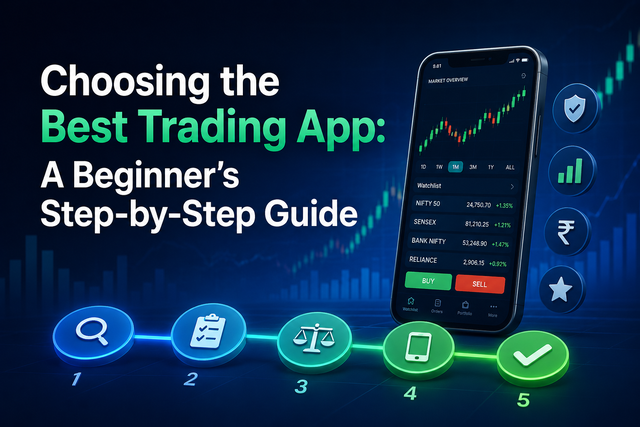
Choosing the Best Trading App: A Beginner’s Step-by-Step Guide
If you are new to CFD trading, choosing the right app can feel overwhelming. Hundreds of platforms promise low fees, fast execution, and “pro-level” tools, but not all are beginner-friendly. The right trading platform should make learning easier, reduce costly mistakes, and help you trade with confidence.
Step 1: Understand what you want to trade
Before comparing apps, decide which markets interest you most. Many beginners start with:
- Stocks and indices for long-term investing
- CFD trading for short-term market speculation
- Gold and commodities for diversification
CFDs allow you to trade price movements without owning the underlying asset, but they also involve leverage and higher risk. A beginner-friendly app should clearly explain these risks and offer educational resources.
Step 2: Look for a simple and intuitive interface
Your first trading app should be easy to navigate. Complicated dashboards can lead to errors and frustration.
A good beginner app should offer:
- Clean chart layouts
- Easy order placement
- Clear profit/loss tracking
- Customizable watchlists
- Mobile and desktop syncing
Many traders prefer a trading platform that balances simplicity with room to grow. You do not need dozens of advanced indicators on day one.
Step 3: Compare fees and spreads
Low fees matter, especially when you are learning and trading small amounts. Check:
- Spreads on CFDs and forex pairs
- Commissions on stock trades
- Overnight financing fees
- Deposit and withdrawal charges
Some apps advertise “zero commission” trading but make money through wider spreads. Compare the total trading cost, not just the headline fee.
Step 4: Check regulation and security
Never compromise on safety. Choose a broker regulated by a recognized authority such as the FCA, ASIC, or CySEC.
Your app should also provide:
- Two-factor authentication
- Segregated client funds
- Transparent risk disclosures
- Reliable customer support
Regulation helps protect traders from fraud and ensures the broker follows industry standards.
Step 5: Test educational tools and support
The best apps help beginners learn while trading. Look for:
- Demo accounts
- Beginner tutorials
- Webinars and market analysis
- Responsive customer support
A demo account is especially valuable for practicing CFD trading strategies without risking real money.
FAQs
What is CFD trading?
CFD trading (Contracts for Difference) lets you speculate on price movements of assets like stocks, indices, and commodities without owning them.
Is CFD trading suitable for beginners?
It can be, but beginners should start with a demo account and understand leverage risks before trading with real money.
What features matter most in a trading app?
Ease of use, low fees, regulation, educational tools, and reliable customer support are the most important features for beginners.
Should I choose a mobile-only app or a full platform?
A full platform with both mobile and desktop access is usually better because it gives you more flexibility as your trading skills grow.
Conclusion
Choosing the best trading app is less about flashy features and more about finding a secure, easy-to-use platform that matches your goals. Start with a regulated app, practice with a demo account, and focus on learning the basics of CFD trading before risking significant capital.
About The Author
